Panama city, PanamaCentral AmericaEnrolling nowPanama
Panama was chosen because it supports real life without unnecessary friction.
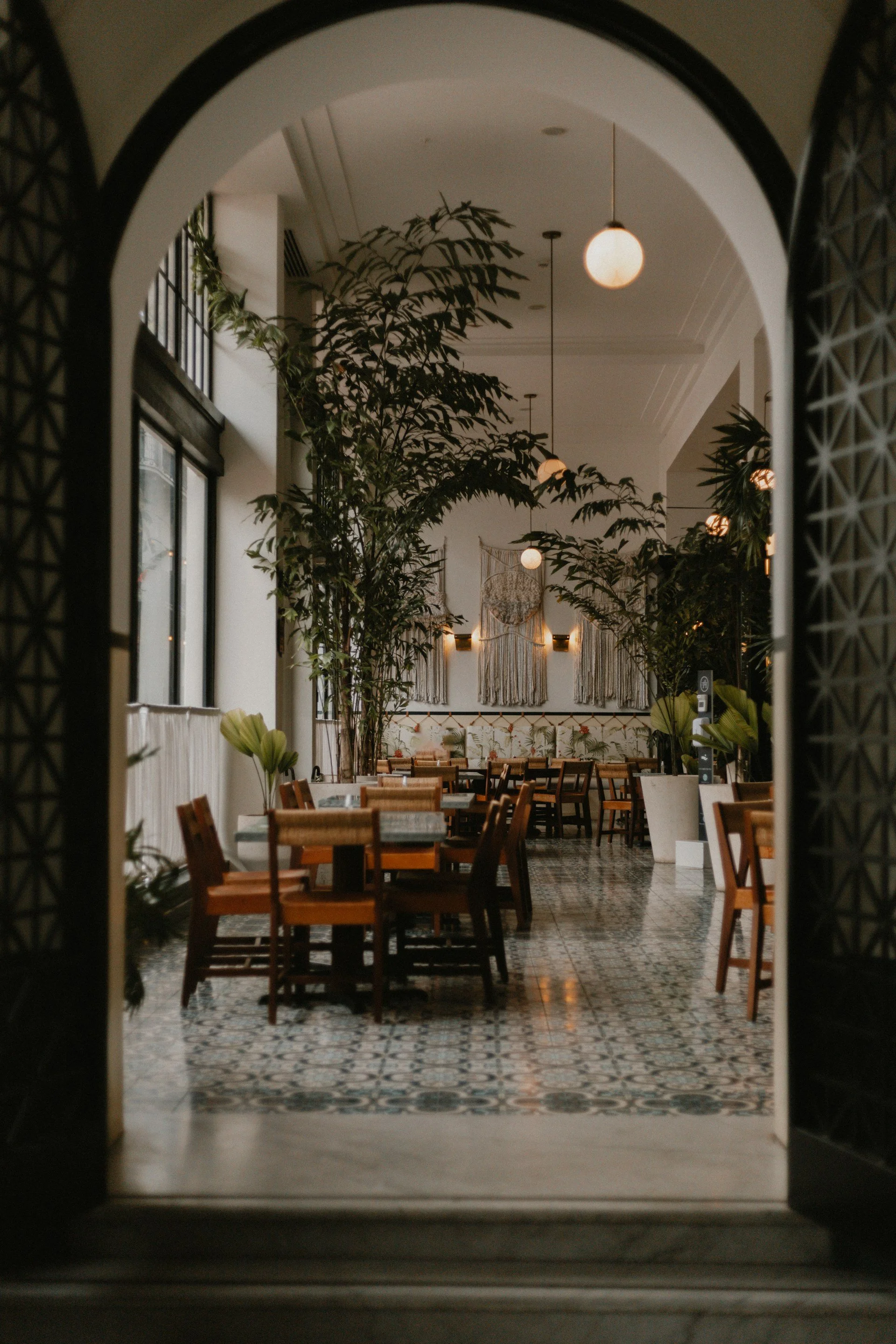
For a residency to be effective, the environment has to function quietly in the background—reliable infrastructure, cultural ease, and a rhythm that accommodates work and rest without forcing a choice.
Panama offers that balance.
It is stable without being rigid, accessible without being overwhelming, and accustomed to people who are here temporarily, living fully, and moving through their days without explanation.
This makes it a strong foundation for short-term residencies designed to be practiced, not escaped to.
Panama Residency Summary
2026 Cohorts: February, June, August, and October; Independent residencies available year round.
Next Dates
Long Weekend / One Week / Two Weeks / Month
Duration
One-week residencies start at $2,400. Longer stays are offered at a lower per-week rate
Pricing
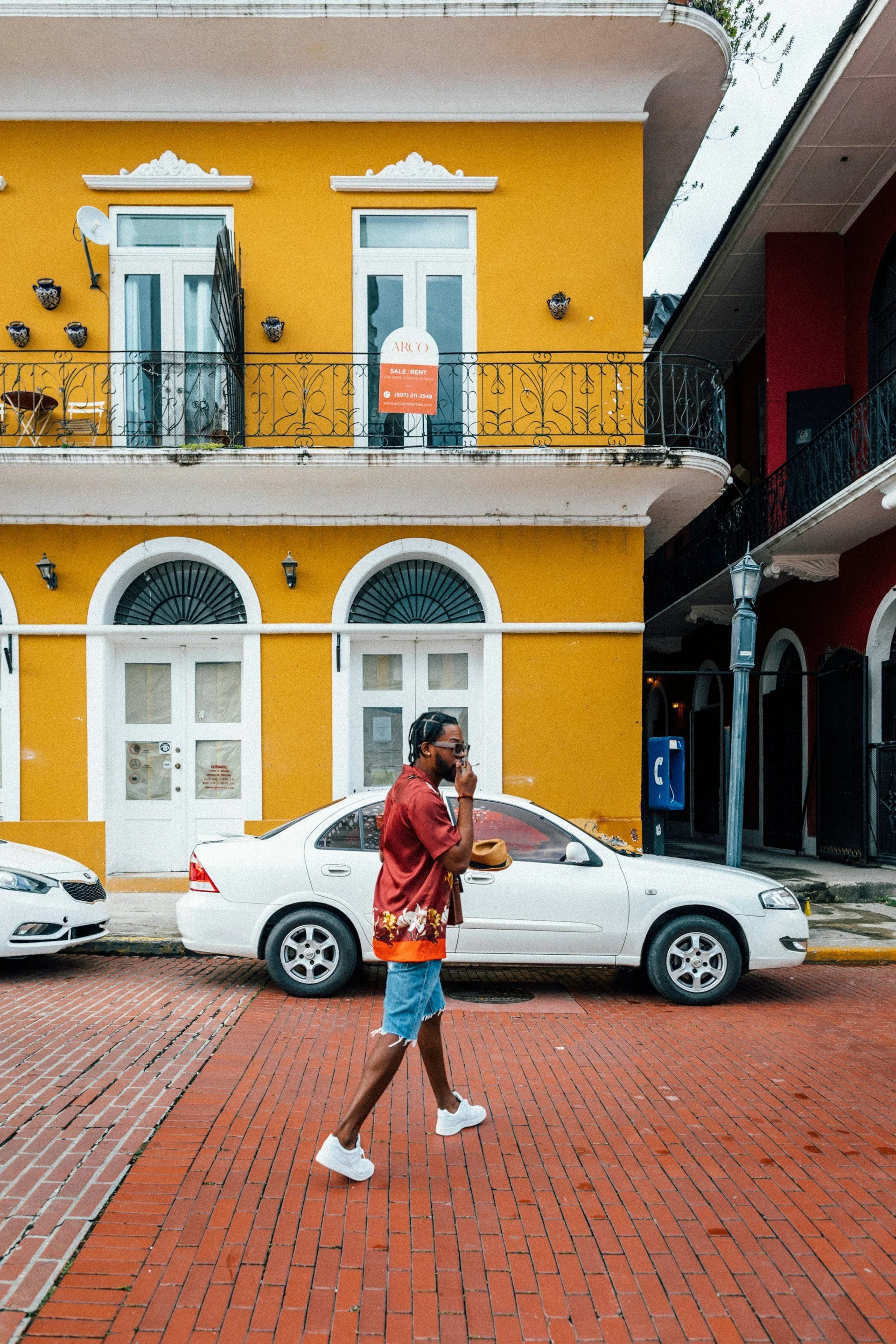
[ on the ground ]Presence Without Extraction
Live Spaciously residencies are designed to support environment change without reproducing extractive patterns.
Panama allows for presence without performance. Engagement is light, respectful, and grounded in everyday life rather than spectacle or consumption.
The goal is not to take something from a place, but to live alongside it briefly—and leave it as it is.
Our approach creates space for experiences that are simple, grounded, and integrated into everyday life in Panama.
The Experiences Panama Makes Possible
Nature Without the Production
From Panama City, access to water, islands, and open horizon is remarkably simple. The San Blas archipelago and the Pacific coast offer settings where time stretches and the pace slows without disruption to your work or your week.
Culture You Can Enter Gently
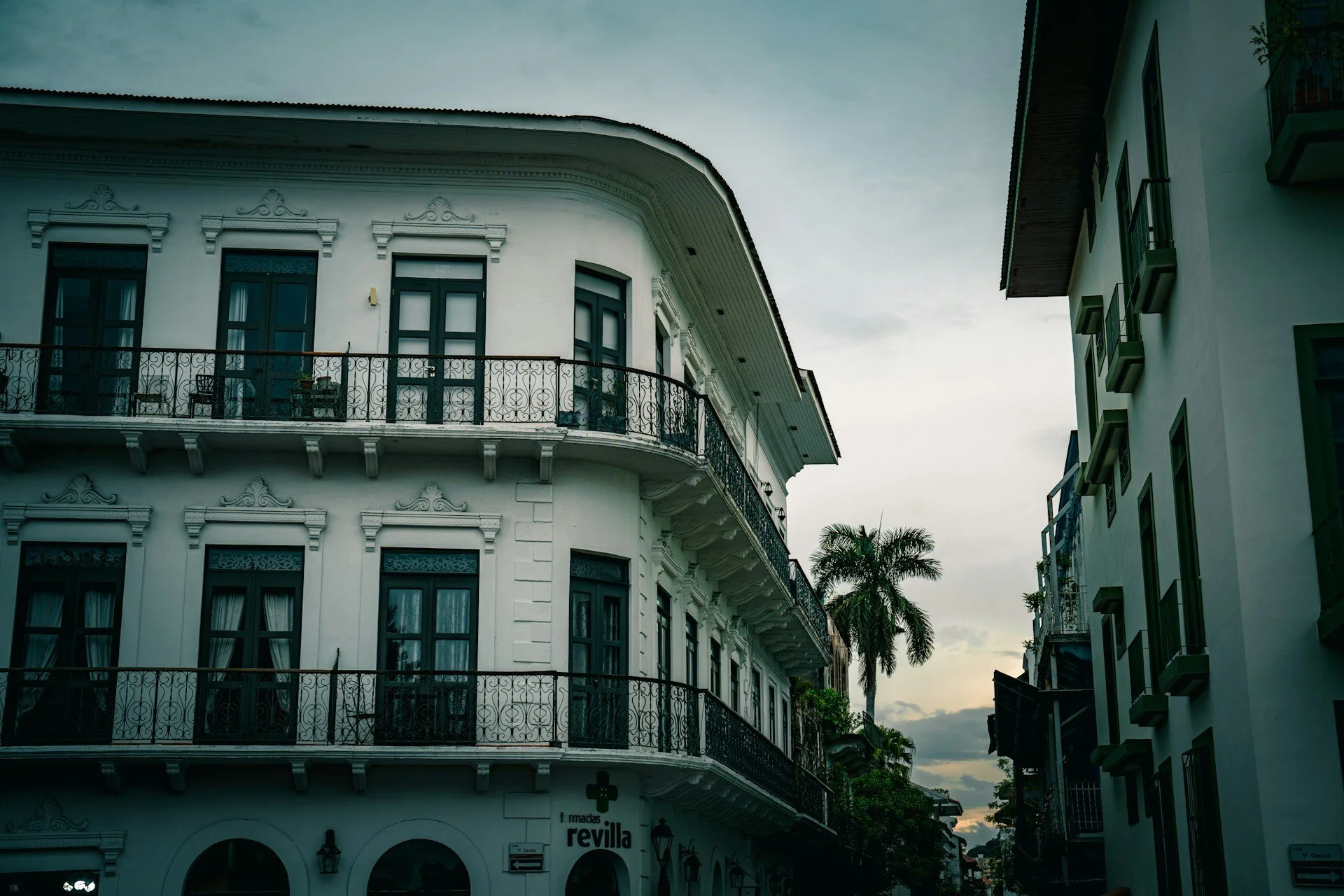
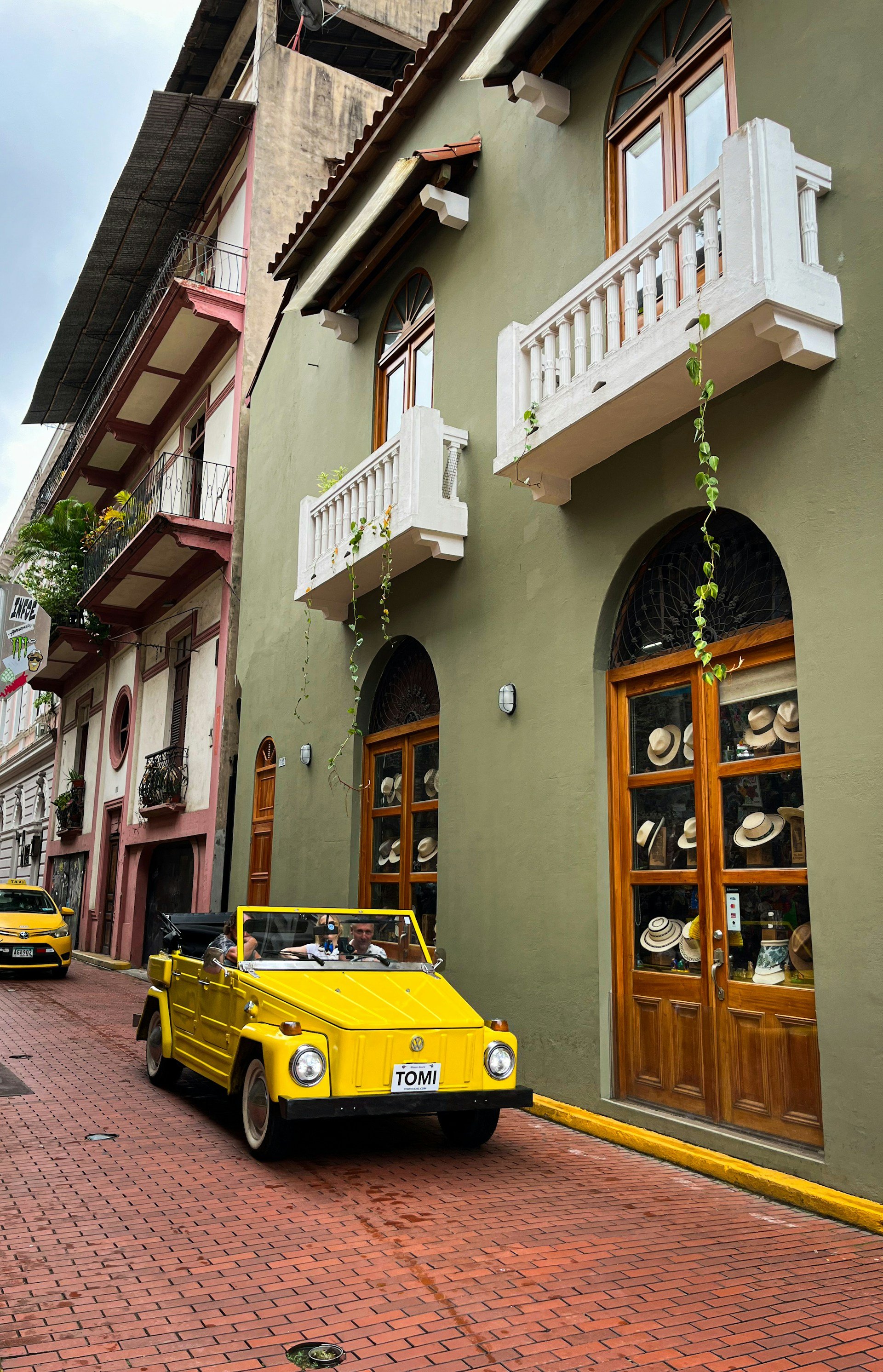
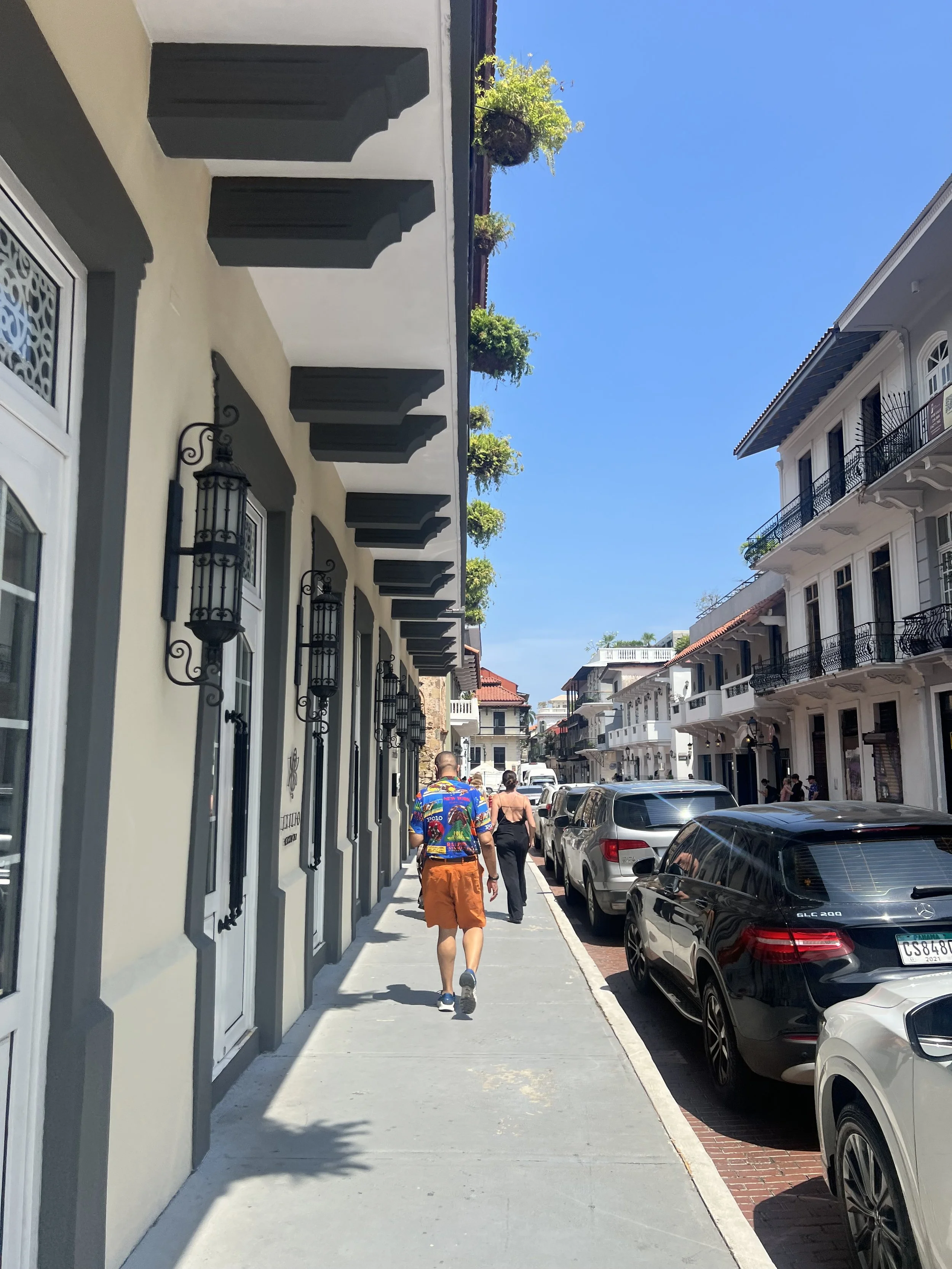
You’ll hear traditional drum rhythms in everyday settings. Salsa exists as a shared language for all. Casco Viejo carries history that’s lived in and welcoming
Perspective Through Scale
The Panama Canal sits is nearby—a reminder of global movement, trade, and time beyond personal urgency.
Indigenous communities remain visible and active, grounding the country in continuity rather than trend.
These elements tend to recalibrate perspective naturally. Not through insight, but through exposure.
Space for Curiosity
Whether it’s an afternoon island hop, a drum class, or a slow walk through an unfamiliar neighborhood, experiences here don’t compete for your attention.
They exist alongside your life, not on top of it.
You choose what to engage with. The environment does the rest.
The Case for Panama
■
Infrastructure You Can Trust
Most international experiences add cognitive load: figuring out transit, navigating language barriers, assessing safety in real-time, code-switching constantly.
Panama removes those taxes.
The city operates on a rhythm that accommodates both rest and work without forcing you to choose. The infrastructure is solid—American-standard electricity, fast internet, Uber that actually comes, tap water you can drink. The dollar is the currency, so there's no mental math every time you make a purchase.
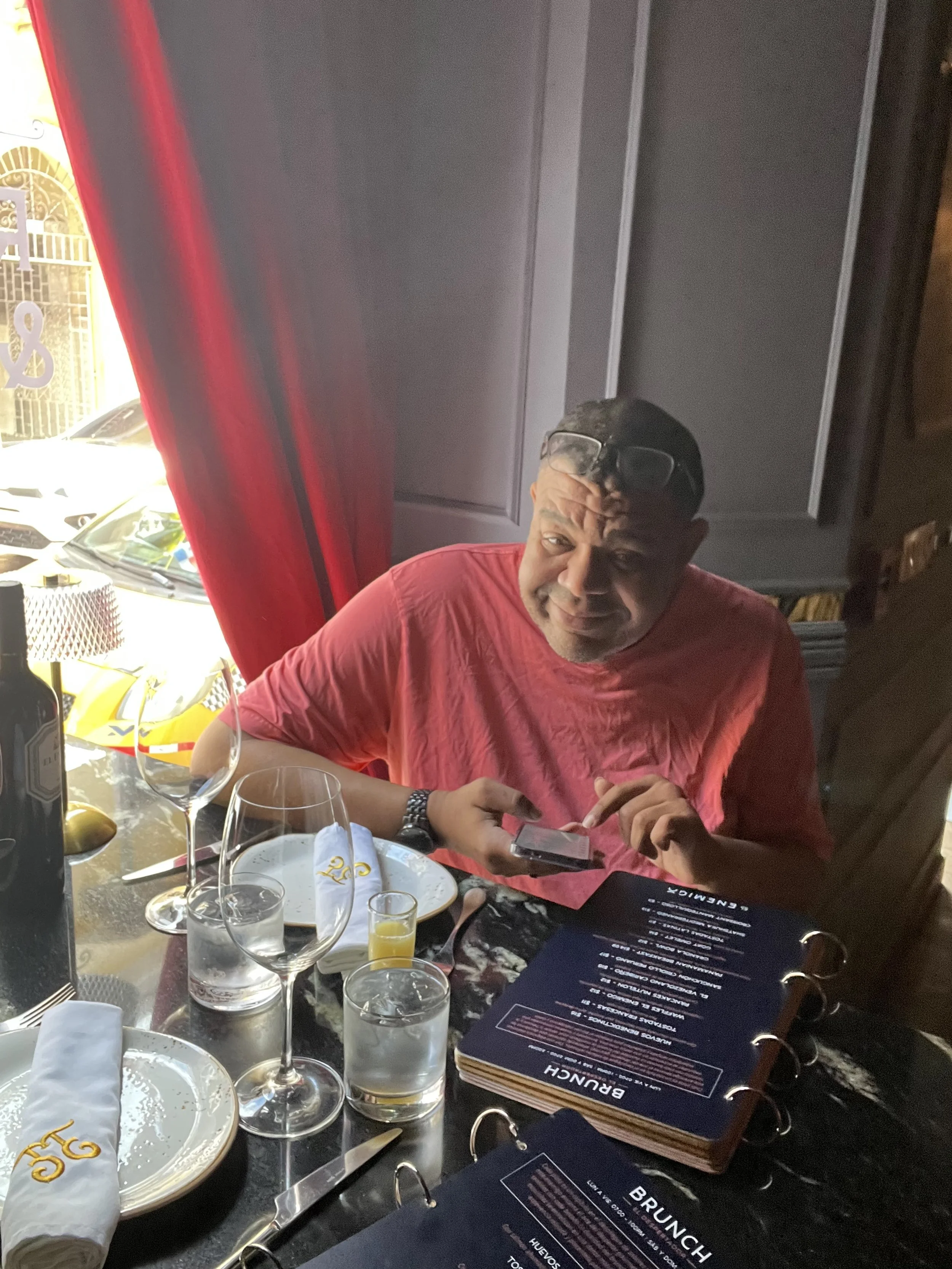
But more than that: Panama City has absorbed decades of international professionals passing through. The result is a place that doesn't find it strange when someone works odd hours, keeps to themselves, or just wants to sit in a cafe for four hours without performing sociability.
You're not exotic here. You're not an anomaly. You're simply someone living their life in a different location for a while.
Cultural Ease for Black Professionals
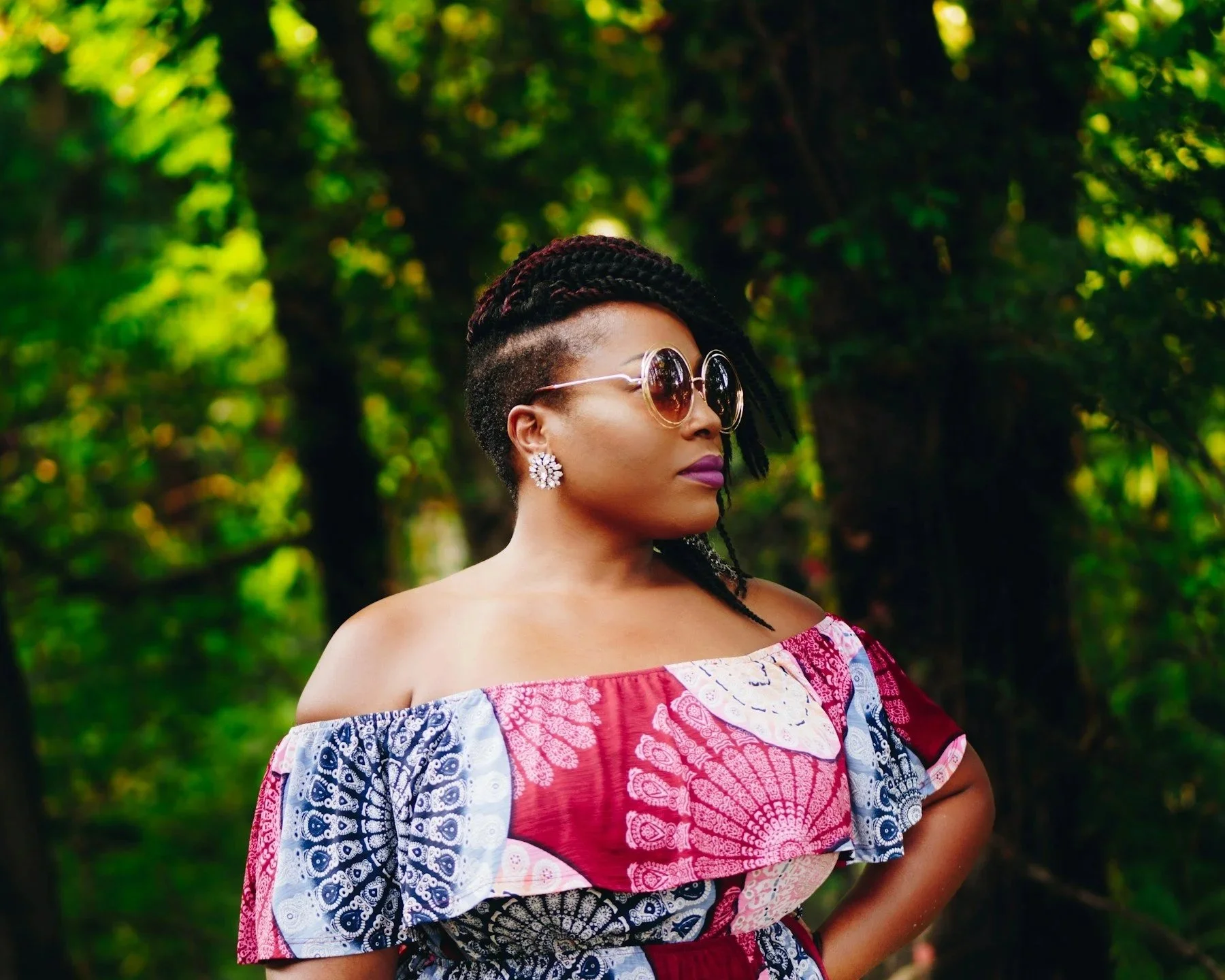
Panama offers a level of cultural familiarity that quietly reduces daily vigilance for many Black professionals.
Roughly 15% of the population is Afro-Panamanian, with a long history rooted in African diaspora, Caribbean migration, and canal-era movement. That history shows up in the city’s rhythms, social fabric, and sense of belonging.
You will see yourself reflected here.
Not everywhere. Not perfectly. But often enough that you are not constantly the only one. Often enough that entering a restaurant or shop does not require the usual assessment. Often enough that your hair, your body, your presence do not draw sustained attention or commentary.
Panama is not free of racial dynamics or complexity. No place is. But those dynamics do not consistently position you as the foreign other. That difference matters.
What many people notice most is a kind of anonymity that feels relieving. You can move through public space with less self-monitoring. Less code-switching. Less background vigilance.
For a week or so, that reduction in cultural load creates meaningful mental space. And mental space is often what makes real rest and clearer thinking possible.
[ A Work Friendly Stay ]How Work Fits
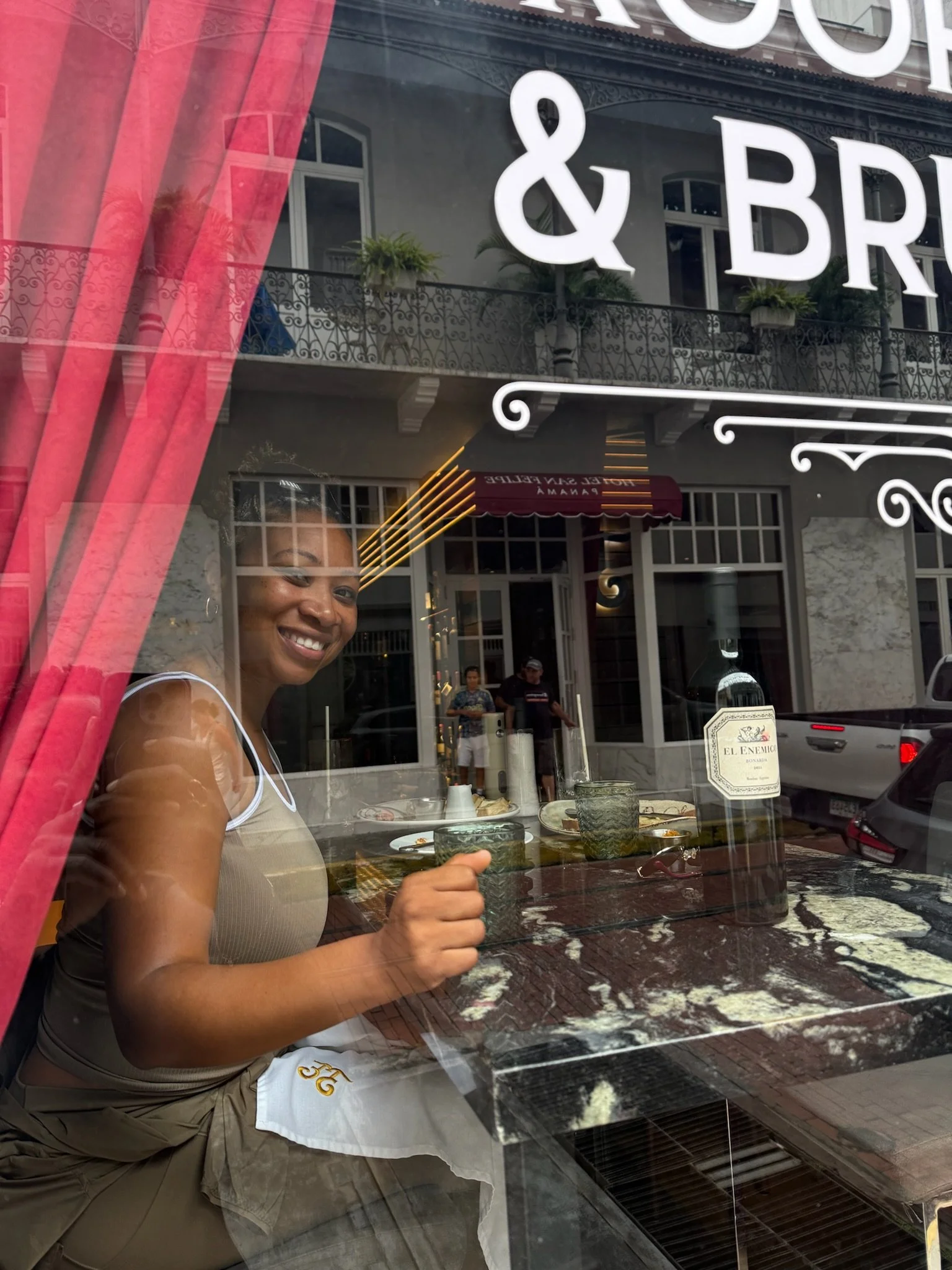
Residents who chose to work during their residency, keep their normal work schedules, just in a different environment. Morning meetings happen from your apartment. Afternoon focus work happens from one of the vetted coworking spaces or a quiet cafe in Casco Viejo. Evening emails get handled from your rooftop while the sun sets over the Pacific.
The time zone works: Panama is on EST year-round. No jet lag calculations. No apologizing for being unavailable during core hours. You can attend your standing meetings and still have the afternoon to walk through the old city or sit by the water.
The separation matters more than you'd think. When your workspace isn't also your bedroom, when you can close your laptop and actually leave the work behind, decision-making gets clearer. The mental crowding starts to lift.
Your Host
■
Kimberly Adams
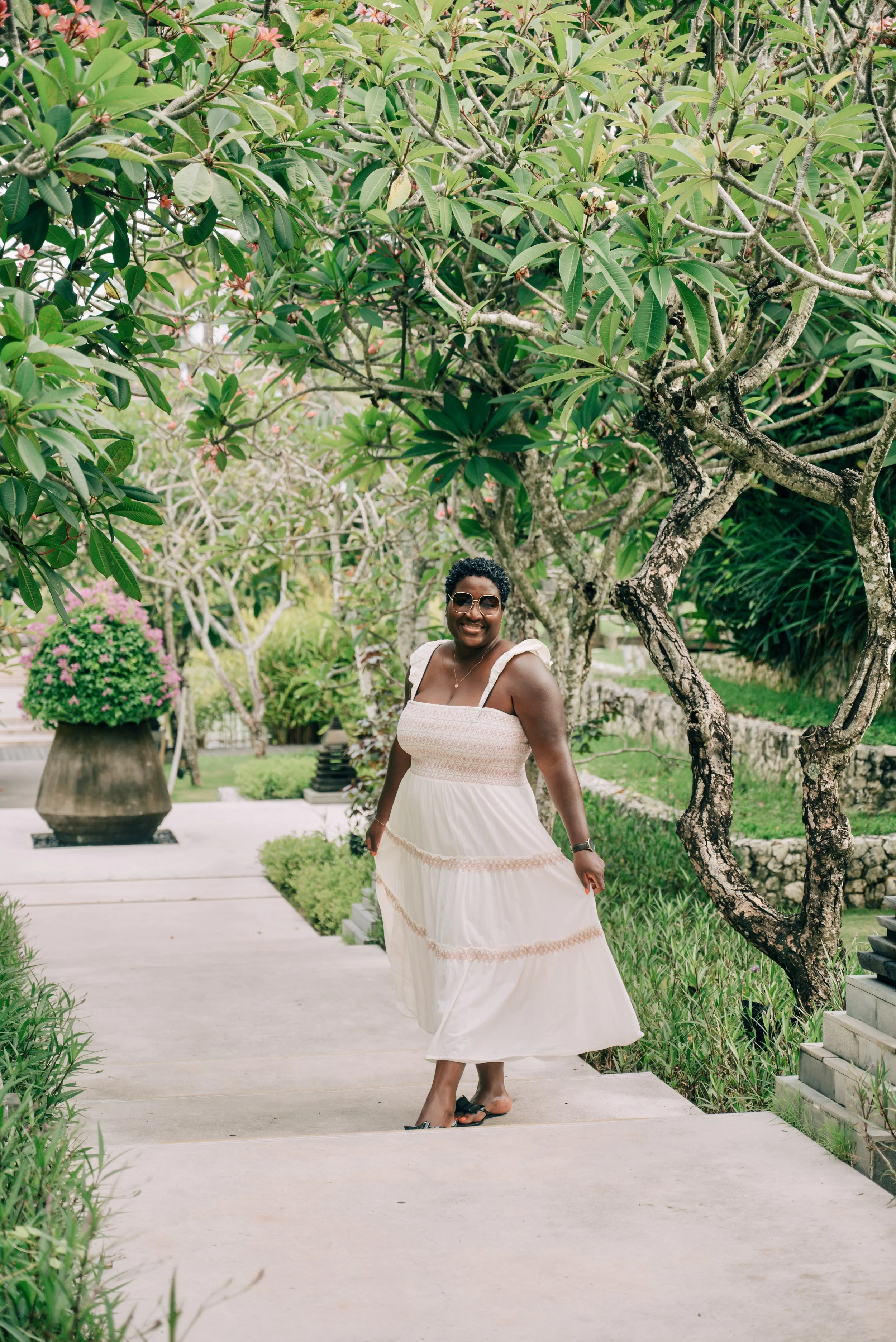
I’ve lived and worked across five countries and traveled extensively while building and leading high-pressure, global work. I know what it’s like to move through the world carrying responsibility, vigilance, and constant decision-making.
Live Spaciously exists because I learned that recovery is not about stopping ambition. It’s about changing the conditions that quietly drain clarity over time.
Before a location becomes a Live Spaciously Residency, I spend time living there myself. I pay attention to daily rhythms, workability, safety, and what it feels like once the novelty wears off. I ask practical questions:
Can I settle here?
Can I think clearly?
Can I move through daily life without constant negotiation?
Especially as a Black woman, those questions matter.
Live Spaciously designs short, supported pauses in places that pass that test. Places where the environment asks less of you, so your mind can do more of what it does best.
This isn’t escape.
It’s restoration, designed for people who carry a lot and need space to set it down without disappearing from their lives.
[ FAQ ]Common Questions
-
US citizens can enter Panama visa-free for up to 180 days with a valid passport (must have at least 6 months validity remaining).
Citizens of most EU countries, Canada, UK, and Australia also qualify for visa-free entry.
If you hold a passport from another country, check Panama's visa requirements for your nationality at the Panama Immigration website. We'll provide guidance on entry requirements after you reserve.
-
Copa Airlines (Panama's national carrier) - flies direct from 15+ US cities
United, American, Delta, JetBlue - direct from major hubs (Houston, Miami, Newark, Atlanta, Fort Lauderdale, Orlando)
Spirit, Frontier - budget options from select cities
Flight times from:
Miami: 2.5 hours
Houston: 4 hours
New York: 5.5 hours
Atlanta: 3.5 hours
Los Angeles: 7 hours
-
No, but basic phrases help.
Panama City is highly international, especially in areas where you'll spend time (Casco Viejo, Obarrio, financial district). Many people speak English, particularly in restaurants, hotels, and coworking spaces.
That said:
Taxi drivers often speak limited English (use Uber/translation apps)
Markets and smaller shops may be Spanish-only
Having Google Translate on your phone is sufficient
Your Live Spaciously City Companion includes key phrases
The cultural dynamic: Panama has absorbed decades of international professionals. People are patient with language barriers and accustomed to visitors.
-
Panama uses the US dollar as its official currency (alongside the Panamanian balboa, which is pegged 1:1 to USD). This means:
No currency exchange needed
No mental math on pricing
No surprise conversion fees
Credit cards:
Widely accepted in restaurants, hotels, and larger shops
Visa and Mastercard work everywhere
American Express less common
Contactless/Apple Pay/Google Pay increasingly common
Cash:
Useful for small purchases, markets, taxis
ATMs everywhere (your bank may charge international fees)
$20-40 in small bills is good to have daily
Tipping: 10% is standard and often included in restaurant bills. Check your receipt.
-
Primary options:
Uber: Reliable, cheap ($3-8 for most trips), drivers rated, payment automatic
Taxi: Everywhere, but negotiate price before getting in (or better yet, just take an Uber)
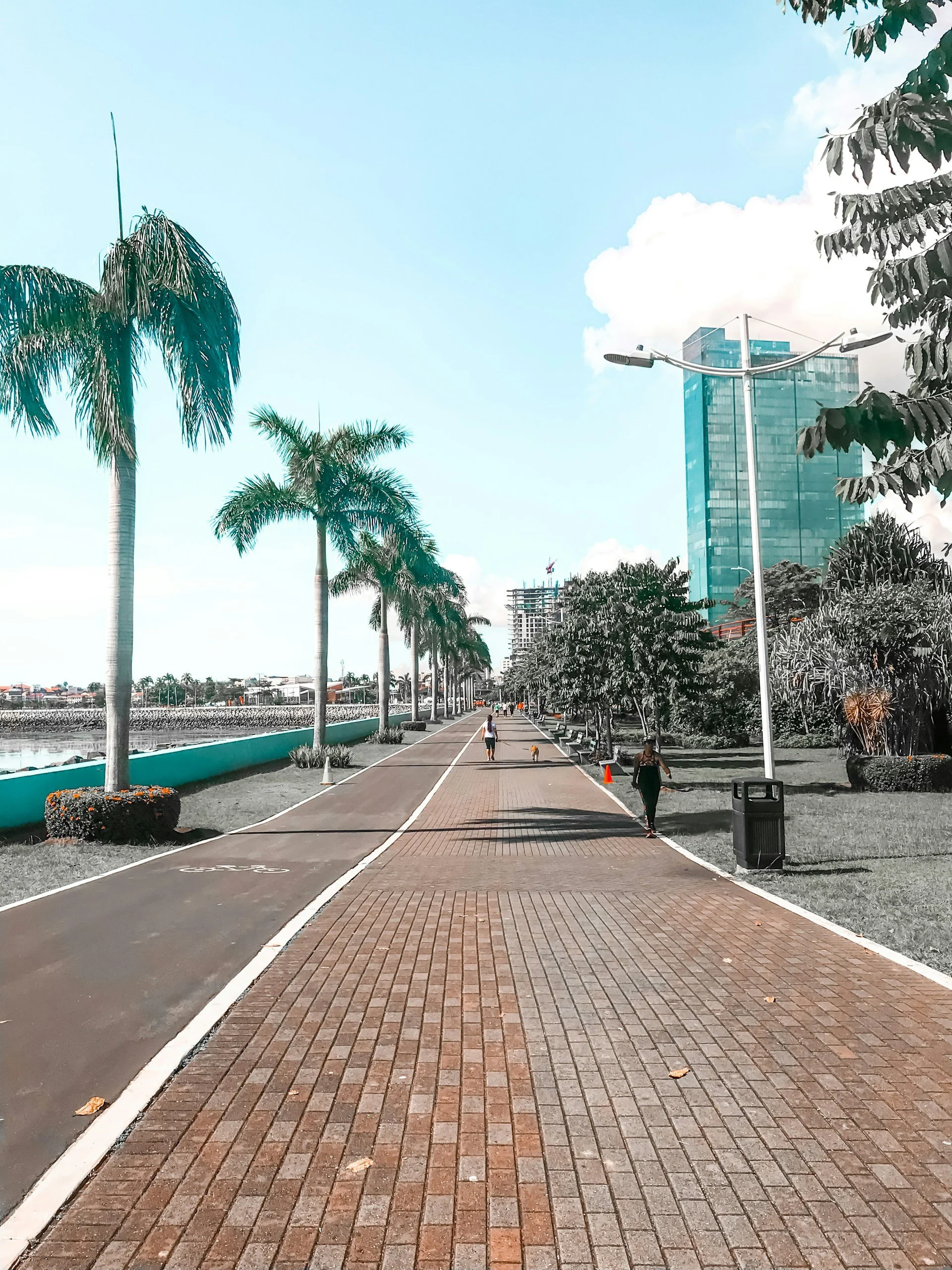
Walking: Casco Viejo, Cinta Costera, and nearby areas are very walkable
Public transit:
Metro system is modern and cheap ($0.35/ride) but limited to certain routes
Buses exist but complicated for short-term visitors
Your airport transfer is included, so you won't need to navigate transportation on arrival.
Pro tip: Download Uber before you arrive and add a payment method.
-
Yes, Panama City tap water is generally safe to drink and meets international standards. Most residents and long-term visitors drink it without issue.
However:
Some people prefer bottled or filtered water initially (stomach adjustment)
Bottled water is widely available if you prefer
Ice in drinks: Safe at restaurants and cafes.
-
You can choose between purchasing a local SIM card with data or using your existing mobile phone:
Check with your carrier about international plans
T-Mobile often includes Panama in free international data/text (check coverage)
AT&T and Verizon have Panama day passes (~$10/day)
WiFi:
Included and reliable at your accommodation
Available at all recommended coworking spaces and cafes
Fast enough for video calls and large file uploads
Most restaurants and cafes offer free WiFi
Internet speeds: Panama City has excellent internet infrastructure. Expect 50-100+ Mbps at accommodations and coworking spaces.
-
Live Spaciously was designed with people who carry sustained cognitive and cultural load in mind, particularly Black professionals, where vigilance and self-monitoring are often higher.
That focus shapes how locations are selected, how support is structured, and what “ease” actually means in practice.
That said, you do not need to identify as Black to participate. The residencies are for anyone who resonates with the core need: real relief through environment change, without disruption to work or life.
What matters most is not identity, but whether this model fits the season you are in.
-
Live Spaciously is not an affinity retreat or a therapeutic program. It is a residency model designed around environmental ease, work compatibility, and daily livability.
Cultural awareness informs the design. It is not the curriculum.
-
Panama City is tropical year-round:
Temperature: 75-90°F (24-32°C) daily
Dry season (Dec-April): Sunny, occasional brief rain
Rainy season (May-Nov): Afternoon showers, still warm
Humidity: High, but ocean breezes help
What to pack:
Lightweight, breathable clothing (linen, cotton)
Comfortable walking shoes (you'll walk a lot)
Light rain jacket or small umbrella
Sunscreen and sunglasses
Layers for heavily air-conditioned spaces (coworking, restaurants)
Swimsuit if you visit beaches
Professional-casual clothes for dinners/activities
What NOT to pack: Heavy clothes, formal business attire, winter gear
Laundry: Your accommodation has washing facilities or affordable laundry service nearby.
Ready to Experience Panama City?
Begin your reservation below. If you'd prefer to discuss your specific situation first, schedule a clarity call and we'll confirm this is the right fit.